Why Forklift Rental is the Smart Choice for South African Logistics
The logistics industry in South Africa is currently going through a major period of change. As a central hub for trade in the Southern African region, the country relies heavily on the efficient movement of goods through busy ports, massive warehouses, and complex distribution networks. For businesses operating in major cities like Johannesburg, Durban, and Cape Town, the pressure to maintain speed while controlling costs is higher than ever. One of the most important decisions a warehouse manager or business owner faces is how to manage their material handling equipment. While buying machinery was once the standard approach, more companies are now realizing that renting forklifts offers a level of flexibility and financial safety that ownership simply cannot match.
In a market where economic conditions can shift quickly,
being tied down by expensive assets can be a significant risk. The logistics
sector requires equipment that is reliable, modern, and ready to work at a moment's
notice. From moving heavy containers at the Durban harbor to organizing
high-reach shelving in Midrand’s tech warehouses, the right forklift is the
backbone of daily operations.
Choosing a rental model allows businesses to focus on their
core job of moving cargo without getting distracted by the heavy burdens of
machine maintenance, depreciation, and high upfront capital requirements.
"Transform your warehouse operations today by choosing
flexible forklift rental solutions that eliminate
high upfront costs while ensuring your fleet stays powered and ready for every
heavy-lifting challenge in the South African market."
Financial Flexibility and Capital Protection
One of the biggest hurdles for any logistics company in
South Africa is the initial cost of purchasing a high-quality forklift. These
machines represent a massive investment, and spending a large amount of cash at
once can drain a company’s reserves. By choosing to rent, businesses can keep
their capital for other important needs, such as expanding their warehouse
space, hiring more staff, or investing in better inventory software. This is
particularly useful for small and medium enterprises in growing industrial
areas like Gqeberha or Polokwane, where cash flow management is vital for
survival.
Rental agreements also make financial planning much easier.
Instead of dealing with unpredictable repair bills or fluctuating interest
rates on equipment loans, a company pays a fixed monthly fee. This predictable
expense allows for more accurate budgeting and prevents the surprises that
often come with aging machinery. Since the rental company owns the equipment,
the business also avoids the problem of depreciation. When the machine gets
old, it is the rental provider’s responsibility to replace it, ensuring that
the logistics provider is never stuck with an obsolete asset that is hard to
sell or trade.
 |
| forklift rental |
Access to Modern Technology and Fleet Variety
The world of material handling is moving fast, with new
electric models and more efficient fuel systems entering the market every year.
In South Africa’s logistics hubs, staying competitive often means using the
latest technology to speed up loading times and reduce energy costs. When you
buy a forklift, you are stuck with that specific technology for several years.
Rental gives you the freedom to upgrade to newer, more efficient models as soon
as they become available. This is a huge advantage for warehouses in
Johannesburg and Pretoria that are trying to lower their carbon footprint or
improve safety standards.
Furthermore, different jobs require different types of
machines. A logistics company might need a heavy-duty diesel forklift for
outdoor yard work one month and a slim, electric reach truck for indoor narrow-aisle
storage the next. Rental providers offer a wide range of equipment to choose
from, including:
Counterbalance Forklifts: Ideal for general lifting and
loading tasks in open warehouse spaces. Reach Trucks: Specifically designed for
high-shelving environments to maximize vertical storage space. Pallet Jacks and
Stackers: Perfect for short-distance movements and smaller retail storage areas.
Heavy-Duty Diesel Units: Built for the
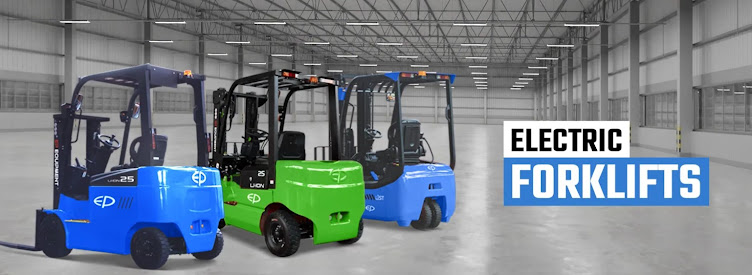
tough conditions found in South African ports and outdoor construction yards. Electric Forklifts:
The best choice for indoor food and beverage logistics where emissions must be
avoided.
Maintenance and Minimized Downtime
In the logistics world, time is money. A broken forklift
sitting in a corner is more than just a nuisance; it is a bottleneck that can
delay entire shipments and cause unhappy customers. One of the most significant
benefits of renting is that maintenance is usually included in the contract. If
a machine breaks down in a busy warehouse in Cape Town, the rental provider is
responsible for sending a technician to fix it or providing a replacement unit.
This ensures that the workflow continues without long interruptions, protecting
the company’s reputation for reliability and consistent delivery.
Managing a maintenance team and keeping a stock of spare
parts is a complex task that most logistics companies would rather avoid. By
outsourcing this to a rental expert, the business saves on labor costs and the
need for specialized tools. The rental provider ensures that every machine in
the fleet is serviced regularly and meets all safety regulations. This
proactive approach to maintenance means that the forklifts stay in peak
condition, reducing the risk of accidents and extending the life of the
equipment while it is on-site for your operations.
Scaling Operations for Peak Seasons
South African trade follows a seasonal rhythm. Many
logistics businesses see a massive spike in activity during the harvest seasons
or the end-of-year holiday rush. During these times, a warehouse that usually
operates with five forklifts might suddenly need ten to handle the extra
volume. Purchasing extra machines just for a few months of the year makes
little sense, as those machines would sit idle for the rest of the year,
wasting space and money. Rental allows businesses to scale their fleet up or
down based on current demand.
This scalability is perfect for companies operating in the
agricultural export sector near Durban or the retail distribution centers
serving the Gauteng province. It provides the agility needed to take on new contracts
without the fear of being over-equipped later. When the peak period ends, the
extra forklifts are simply returned to the provider. This pay-as-you-use model
is an effective tool for staying lean and efficient in an unpredictable global
economy, ensuring you only pay for what you truly need.
Conclusion
The decision to rent a forklift is a strategic move that
addresses the unique challenges of the South African logistics and warehouse
industry. By choosing rental over ownership, companies can protect their cash
flow, access the latest technology, and eliminate the stress of equipment
maintenance. It provides the freedom to grow quickly when business is booming
and the safety to scale back when things slow down. For any business looking to
lead in the competitive trade corridors of Johannesburg, Durban, or Cape Town,
having a reliable partner for material handling is essential for long-term success.


Comments
Post a Comment