Switching to Electric Forklifts in South Africa for Sustainable Warehouse Operations
Material handling operations across southern Africa are experiencing a significant shift toward cleaner equipment choices. Warehouse managers must constantly find ways to reduce tailpipe emissions while managing heavy daily workloads. Traditional internal combustion engine machines consume large amounts of fuel and release harmful exhaust fumes inside indoor storage facilities. Transitioning to battery-powered lifting machinery allows businesses to lower carbon emissions without sacrificing performance. Industrial hubs in Johannesburg, Cape Town, Durban, Gqeberha, and Pretoria are rapidly adopting zero-emission material handling systems to meet corporate sustainability goals. Upgrading your warehouse fleet creates a cleaner work environment, improves energy efficiency, and keeps your logistics operations competitive.
Table of Contents
1. The
Growing Shift Toward Sustainable Material Handling
2.
Environmental Benefits of Zero-Emission Warehouse Fleet Operations
3. Key
Operational Advantages of Battery-Powered Machinery
4. Essential
Features to Evaluate Before Upgrading Your Equipment
5.
Overcoming Power Grid and Charging Infrastructure Challenges
6. Key
Takeaways for Warehouse Managers, Logistics Directors, and Fleet Operators
7.
Conclusion
The Growing Shift Toward Sustainable Material Handling
Warehouse operations across South Africa are modernizing to support eco-friendly supply chain standards. For decades, diesel and LP gas machines dominated industrial storage yards, manufacturing plants, and distribution centers. However, indoor air quality concerns and rising fossil fuel expenses are encouraging companies to re-evaluate their equipment choices. Electric lifting equipment operates silently, produces zero direct exhaust emissions, and creates a healthier atmosphere for machine operators and floor staff.
Logistics hubs in Gauteng and the Western Cape lead this transition by integrating green technologies into everyday supply chain operations. International retail brands and local manufacturing enterprises increasingly mandate sustainable practices from their supply chain partners. Switching to battery-operated units helps companies meet environmental standards while optimizing daily goods movement inside busy storage facilities.
 |
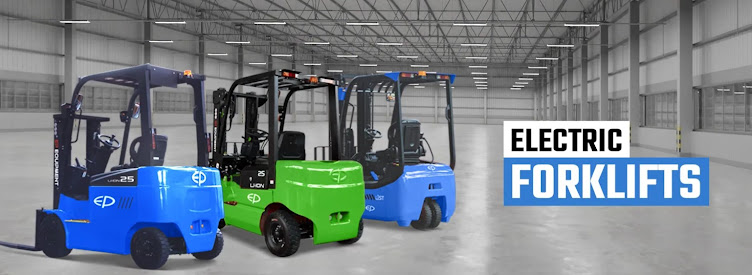
| Electric Forklifts in South Africa |
Environmental Benefits of Zero-Emission Warehouse Fleet Operations
Adopting clean lifting machinery provides immediate environmental advantages for commercial supply chain facilities. Traditional internal combustion engines burn non-renewable fuels, generating toxic gases such as carbon monoxide and nitrogen oxides inside enclosed spaces. Battery-powered alternatives operate cleanly, eliminating indoor air pollutants and significantly reducing total greenhouse gas output across your supply chain.
Noise
pollution is another critical factor that impacts workplace safety and
operational comfort. Electric motors operate quietly compared to noisy internal
combustion engines, reducing overall noise levels across warehouse floors in
cities like Durban and East London. Lower workplace noise improves operator
concentration, allows clearer communication between team members, and minimizes
acoustic fatigue during long work shifts.
"Transforming
your warehouse fleet with clean electric machinery slashes indoor emissions,
lowers long-term operational overheads, and positions your business as a leader
in sustainable South African logistics - Orizen Group."
Key
Operational Advantages of Battery-Powered Machinery
Switching your material handling fleet to electric power offers several clear operational benefits:
Lower
Routine Maintenance:
Electric engines have fewer moving parts
than internal combustion engines, eliminating the need for regular engine oil
changes, spark plug replacements, and complex transmission servicing.
Higher
Energy Efficiency: Modern battery systems convert a higher
percentage of electrical energy directly into mechanical power, reducing total
energy waste during daily operations.
Improved
Driver Ergonomics: Smooth acceleration, automatic braking
assistance, and vibration-free handling reduce physical stress on operators
during long warehouse shifts.
Compact
Machinery Design: Battery-powered units feature smaller engine
compartments, allowing tighter turning radiuses inside narrow aisles across
distribution hubs in Pretoria and Bloemfontein.
Reduced
Heat Generation: Electric motors generate far less ambient heat
than combustion engines, making them ideal for cold storage units and food
processing environments.
Consistent
Power Output: Advanced battery management systems ensure
constant torque and lifting speed throughout the entire shift, keeping
productivity levels steady.
Essential
Features to Evaluate Before Upgrading Your Equipment
Selecting the right battery-powered machinery requires reviewing specific technical features to match your warehouse requirements:
1. Battery
Technology Type: Choose between standard lead-acid batteries
and modern lithium-ion units based on your daily shift patterns, charge time
availability, and maintenance capability.
2. Total
Load Capacity:
Verify that the machine can safely lift your heaviest pallet loads to the
required rack heights without exceeding rated load limits.
3. Maneuverability
and Turning Radius:
Assess aisle dimensions across your facilities in Cape Town or Polokwane to
ensure three-wheel or four-wheel models move freely without blocking traffic.
4. Charger
Compatibility and Infrastructure: Confirm that your electrical power setup can support rapid
charging or opportunity charging stations without overloading local
distribution panels.
5. Weather
Resistance for Outdoor Use: Select models with sealed
electrical components, enclosed cabs, and weatherproofing if your operations
involve outdoor loading bays or wet surfaces.
6. Integrated
Safety Systems: Look for standard safety features such as
speed limiters, automatic tilt controls, emergency disconnect switches, and
bright LED warning lights.
Overcoming Power Grid and Charging Infrastructure Challenges
Managing power availability is a necessary part of operating electric equipment in South Africa. Local power supply variations require companies to implement smart charging strategies to maintain uninterrupted warehouse workflows. Many industrial sites now integrate solar power arrays, fast-charging stations, and off-peak charging schedules to keep equipment batteries fully powered.
Lithium-ion technology offers significant advantages in
managing power availability through opportunity charging. Operators can safely
recharge machine batteries during short lunch breaks or shift changes without
damaging battery lifespans. Planning your charging infrastructure carefully
allows facility managers in Johannesburg, Gqeberha, and Nelspruit to maintain
maximum machine uptime while lowering daily power usage.
Key Takeaways for Warehouse Managers, Logistics Directors, and Fleet Operators
This sustainable material handling guide offers valuable insight for business leaders, logistics directors, supply chain managers, and warehouse supervisors across South Africa.
Adopting
electric lifting equipment simplifies routine maintenance, eliminates toxic
indoor exhaust emissions, and lowers daily operational costs. Upgrading your
machine fleet helps satisfy local and international environmental standards
while creating safer work environments for warehouse operators. Implementing
structured charging schedules and choosing suitable battery technologies
ensures smooth transitions to green warehouse operations across all major South
African industrial regions.
Conclusion
Transitioning to electric material handling equipment is an effective way to modernize commercial warehouse operations and support eco-friendly supply chain practices. Battery-powered machinery protects indoor air quality, reduces noise pollution, and lowers overall operational costs for logistics providers. By evaluating battery choices, load capacities, and local charging infrastructure, businesses across South Africa can build reliable, sustainable supply chains. Partnering with experienced equipment suppliers ensures smooth fleet upgrades, professional service support, and long-term operational success. At Orizen Group, we provide high-performance electric material handling solutions, advanced battery technologies, and reliable support to help South African businesses achieve efficient, sustainable warehouse operations.


Comments
Post a Comment